 English
 简体中文

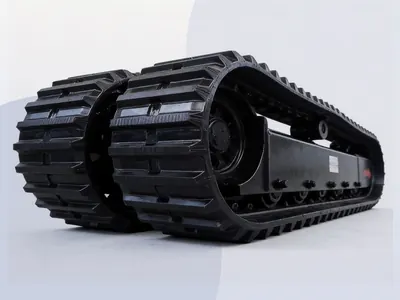
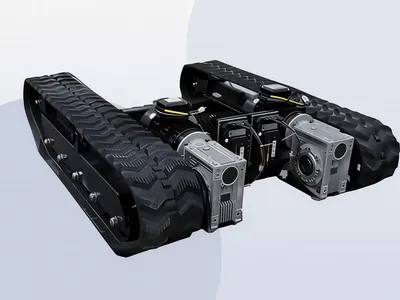
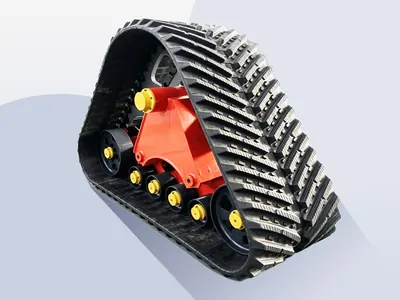
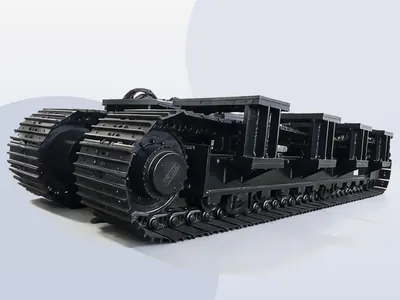
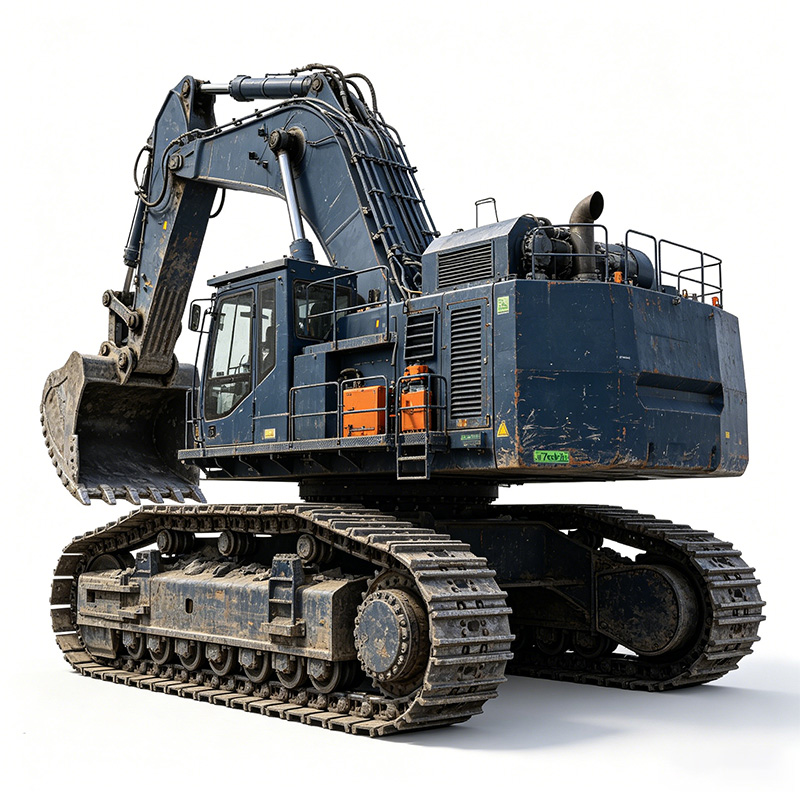
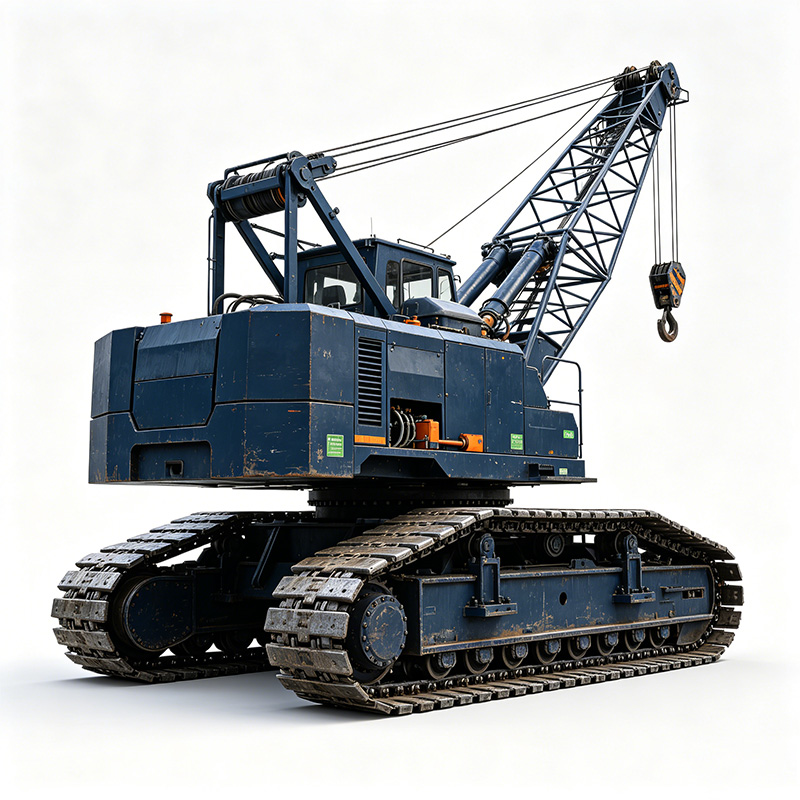
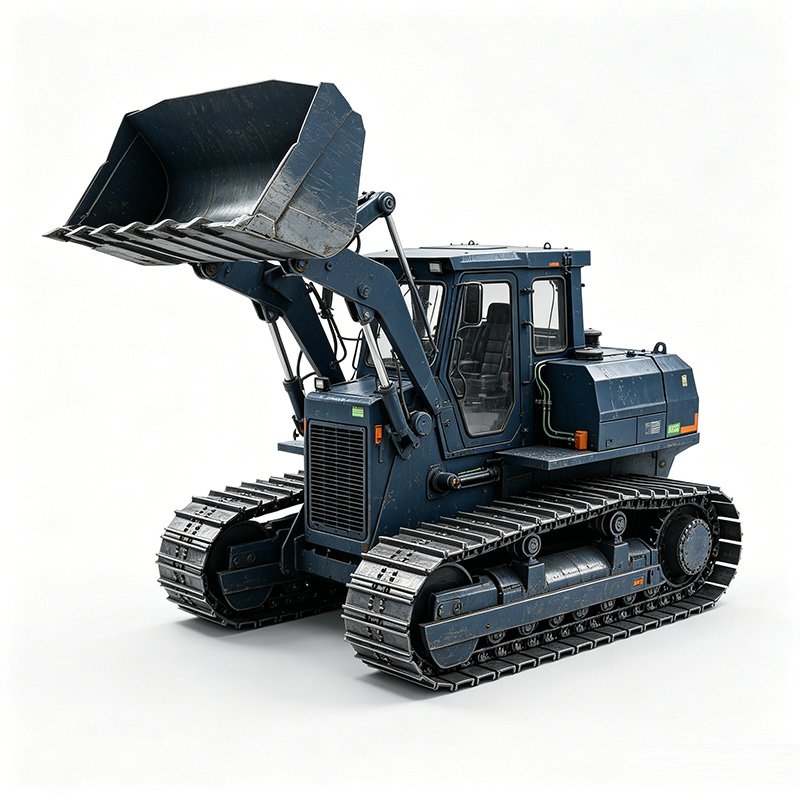
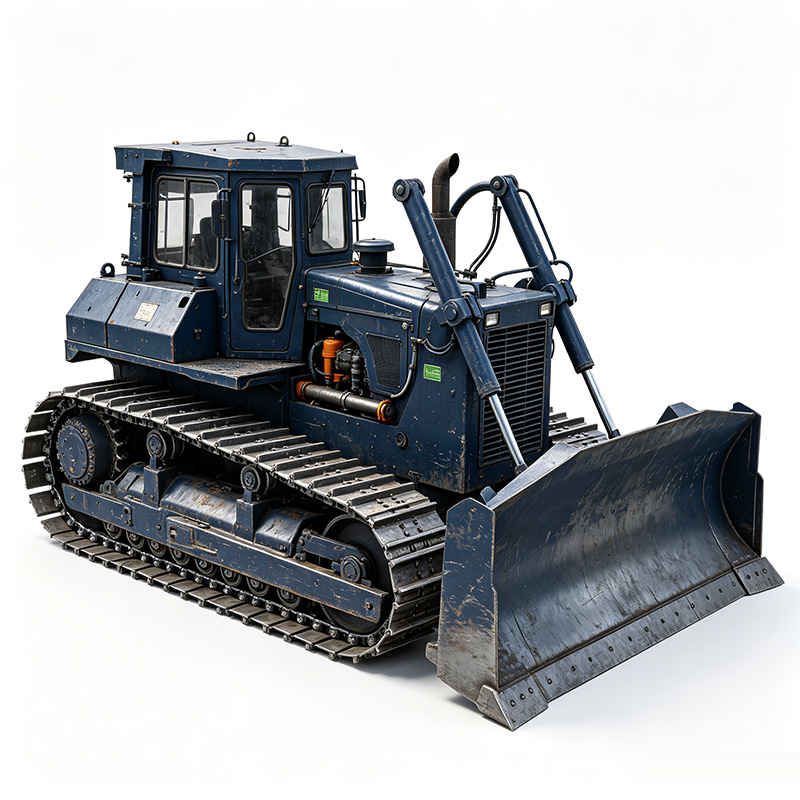
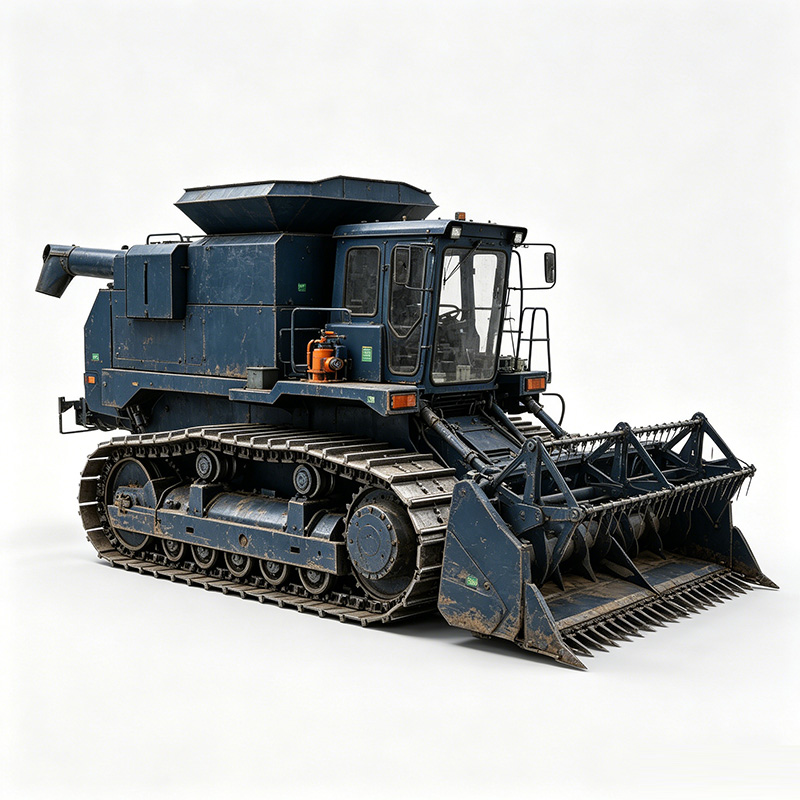

Engineered for Heavy-Duty & Demanding Applications
Custom Crawler Undercarriage Assemblies One-Stop OEM Travel System Solutions
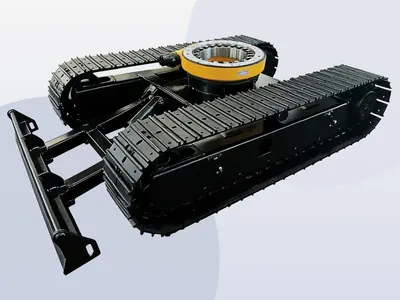
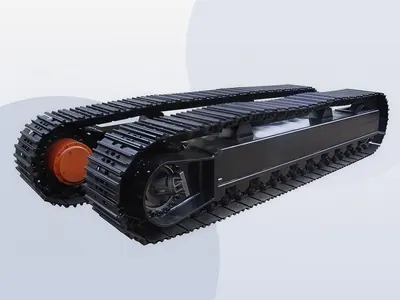
MAGEON manufactures custom crawler undercarriage and tracked chassis systems, delivering tailored solutions from design to mass production.
Custom Engineering
Powerful Customization CapabilityBuilt to Drawing / Tailored R&D
Powerful Customization CapabilityBuilt to Drawing / Tailored R&D
0.5-120T
Broad Load CapacityMicro to Heavy Equipment
Broad Load CapacityMicro to Heavy Equipment
Steel & Rubber
Chassis AssemblyMultiple Track Material Options
Chassis AssemblyMultiple Track Material Options
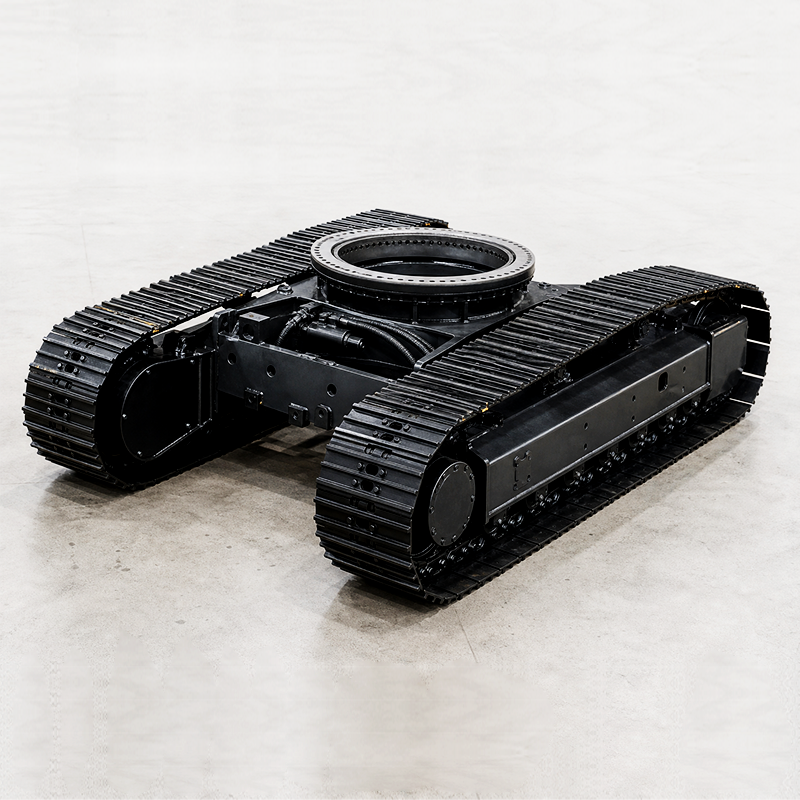
OEM/ODM Manufacturing Reliable & Efficient
Global Delivery On-time Worldwide
Customisation CapabilityCustom steel crawler undercarriage.
Optional steel / rubber tracks.
OEM/ODM, 1 set MOQ.
DXF/DWG exchange, tailored design.
Optional steel / rubber tracks.
OEM/ODM, 1 set MOQ.
DXF/DWG exchange, tailored design.
Quality AssuranceExtended warranty on core components.
Built for heavy-duty applications.
Remote technical support.
100% pre-shipment inspection.
Built for heavy-duty applications.
Remote technical support.
100% pre-shipment inspection.
Delivery And Trade TermsFast delivery, lead time varies by configuration.
Accept FOB/CIF/DDP/FCA.
Flexible payment terms.
Accept FOB/CIF/DDP/FCA.
Flexible payment terms.
ConfidentialNDA signed for client data.
Dedicated 1-on-1 engineer.
Real-time production tracking.
Dedicated 1-on-1 engineer.
Real-time production tracking.
Product families
All product families Choose the Right Undercarriage for Your Application
Steel track undercarriages for extreme loads. Rubber track versions for sensitive or agricultural terrain.
Organised by configuration for quick and easy comparison.
Built for Every Terrain
APPLICATIONS
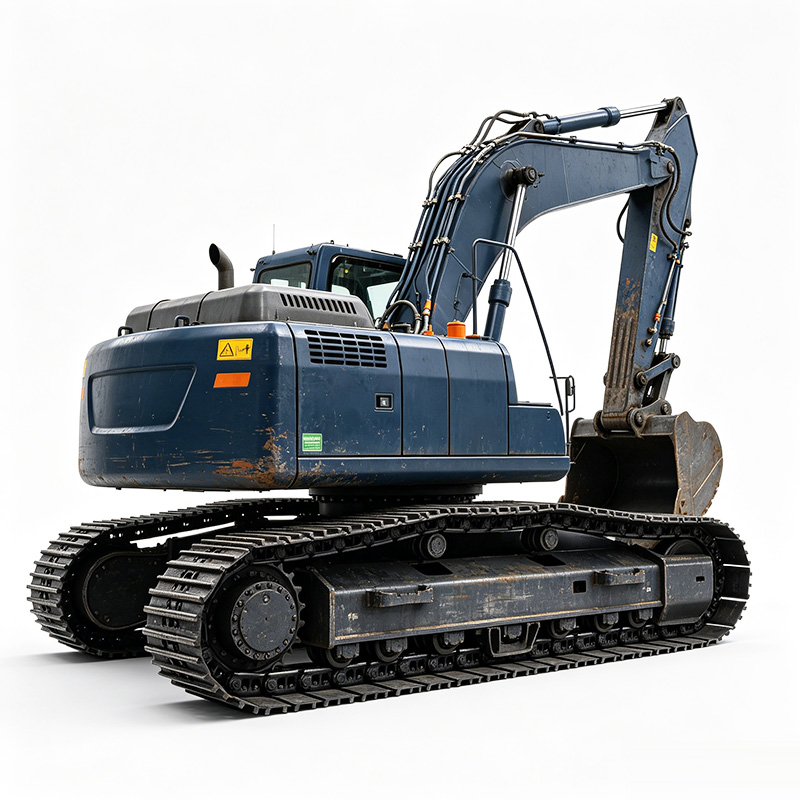
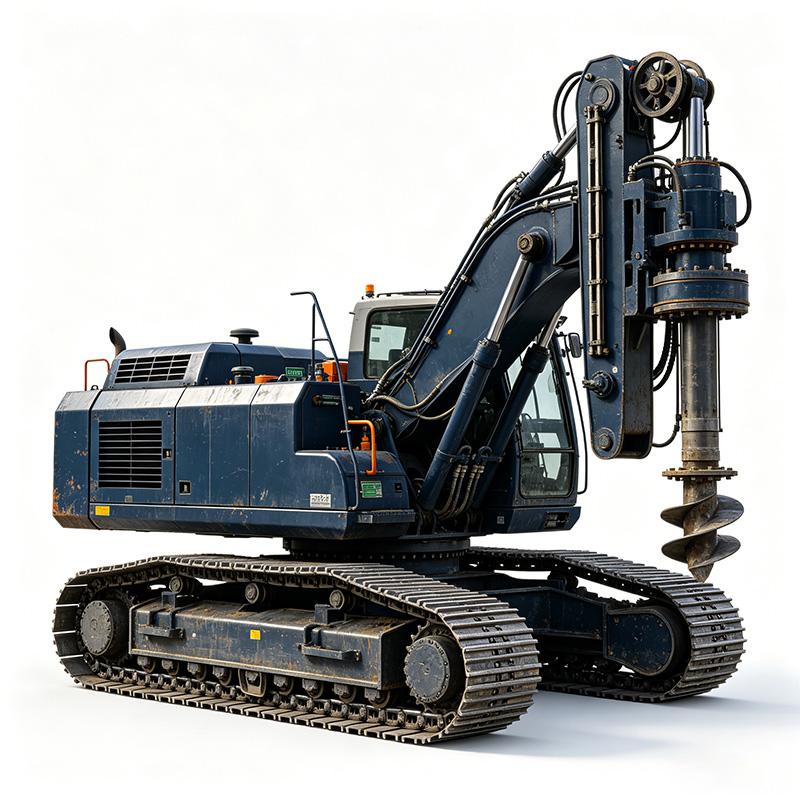
Custom Steel Crawler Undercarriage Solutions for Drilling Rigs, Excavator Conversions & Special Machinery
Configured Around Your Equipment
Customization Capabilities
High quality and reliable chassis technology, as well as outstanding performance, are crucial for establishing a trustworthy relationship with customers.
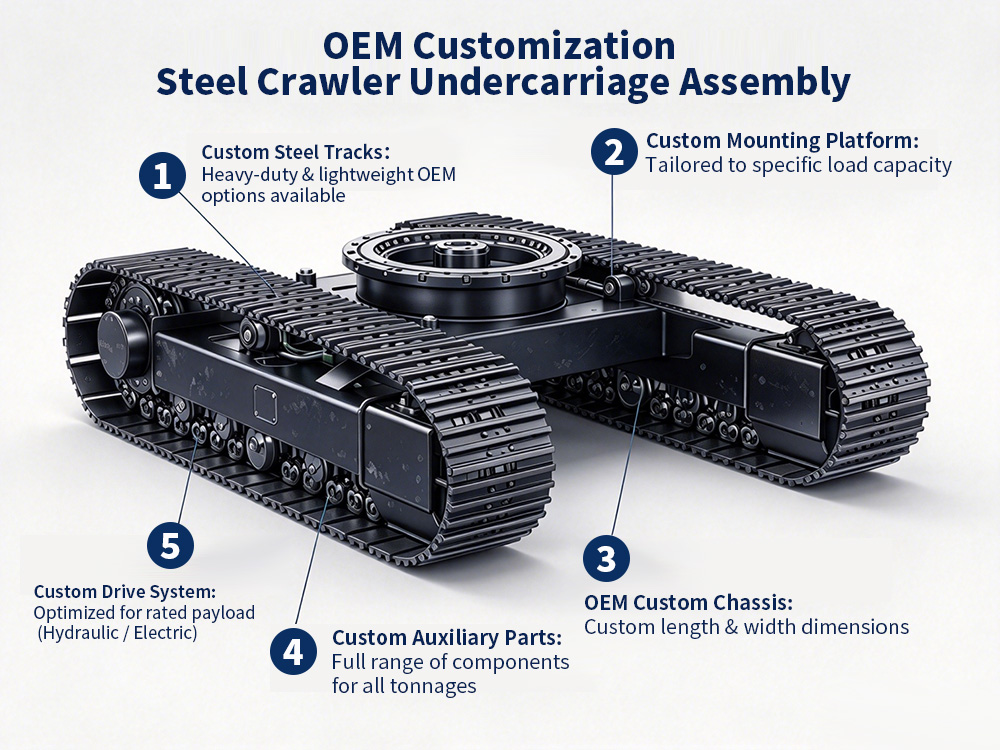
Load Capacity
0.5-120T and beyond
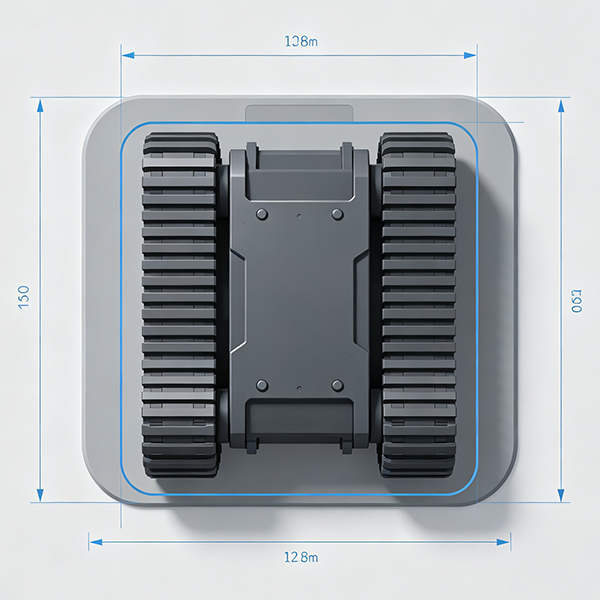
Frame Dimensions
Custom length & width
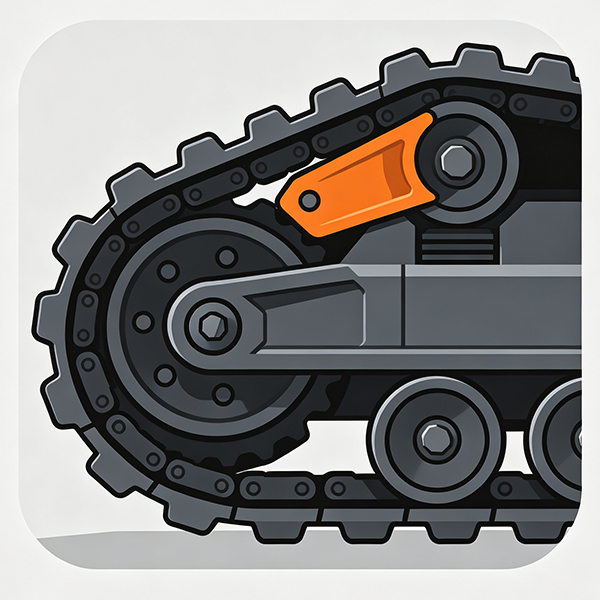
Track Type
Steel or rubber tracks
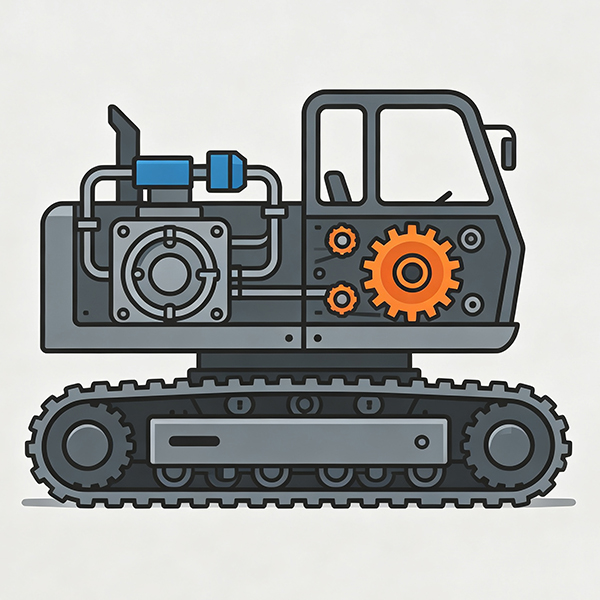
Drive Configuration
Hydraulic or mechanical
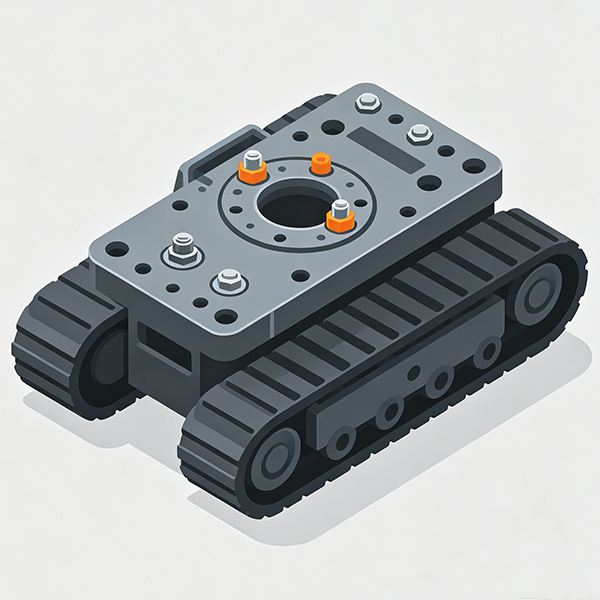
Mounting Interface
Custom bolt patterns
Working Environment
Terrain & climate adapted
Precision Production and Quality Control
MAGEON Manufacturing Strength
- 10+ Years
- Experience in manufacturing construction machinery chassis
- 20+ Country
- Exporting countries and regions Fast shipping and direct logistics
- 500+ Customer
- The choice of global customers is worthy of your trust
- CE/ISO
- Has export related qualifications and ISO9001 certification
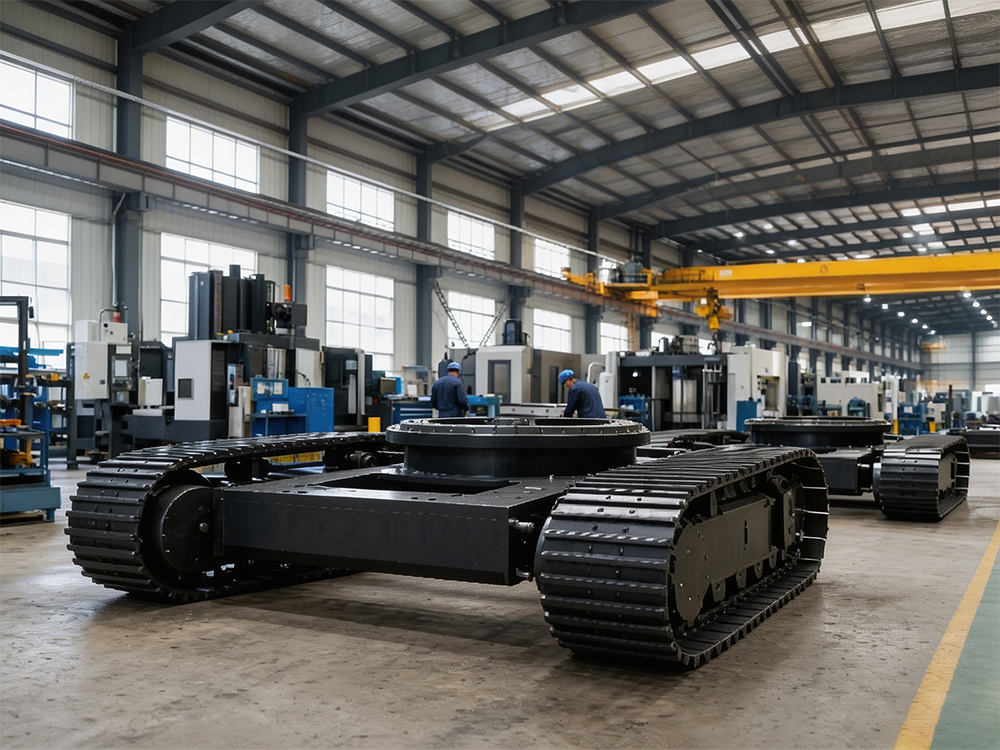
Advanced Equipment
Precision Manufacturing
Strict Quality Control
Reliable & Durable
Professional Team
Experienced Engineers
Fast Delivery
On-time Guarantee
Proven in Demanding Global Applications
Browse All Case Studies Global Case Studies
MAGEON crawler undercarriage assemblies operate reliably across complex terrains and extreme conditions worldwide.


Industry News & Insights
Explore All Articles News & Insights Center
Your go-to resource for crawler undercarriage selection guides, technical insights, and the latest machinery industry trends.
Rental Fleets Are Rewriting Chassis Design Around Maintainab
Short answer: Rental moves the buying decision from the machine user to the company monetizing uptime, and the metric from purchase price to...
View solutionMAGEON Phase-II Robotic Welding Line Starts Production
Short answer: MAGEON‘s phase-II line entered production in November 2026 with two dual-station robot cells, a 3D laser cutting cell and lase...
View solutionWhat corrosion-protection standard does the factory coating
The factory default follows ISO 12944 class C3 for medium corrosion environments: Sa 2.5 blast cleaning, zinc-rich epoxy primer, epoxy inter...
View solutionHow Emission and Noise Rules Are Reshaping Tracked Chassis D
Short answer: Stage V fills the engine bay with after-treatment and the EU noise directive caps sound power by power band - and both land on...
View solutionWhat should a daily checklist for a track undercarriage incl
Split the routine into pre-shift and post-shift, about 15 minutes total. Pre-shift, five items on a walk-around: look for missing shoe bolts...
View solutionMAGEON Certified to ISO 3834-2 Comprehensive Welding Quality
Short answer: In November 2026 MAGEON passed ISO 3834-2 comprehensive welding quality requirements certification, covering every arc-welding...
View solutionLifting Points and Transport Tie-Down Design for Crawler Und
Short answer: Three numbers govern lifting and transport: design lifting points at twice the static share per point, check lashing against 0...
View solutionWhat payment methods and trade terms do you accept for custo
The standard schedule is a 30 percent deposit on contract effectiveness and the remaining 70 percent before shipment against a copy of the b...
View solution Dedicated to Every Customer
OEM / ODM Customized Process Solutions
Tailored exactly to your requirements.
Proven Quality, Not Just Promises
Certifications & Test Reports
Calibration certificates, material traceability records, and market-specific approvals available for every product and destination.


Technical Resources
Undercarriage Technical Knowledge
1311 2026
Final Drives: Failure Modes, Field Diagnosis and Replacement
1211 2026
Undercarriage Grease Management: Grade Selection, Fill Volum
0211 2026
Sealing Crawler Undercarriages for Water and Mud Duty
3010 2026
Crawler Undercarriage Spare Parts Strategy: Building a Servi
2910 2026
Crawler Undercarriage Components Explained
2810 2026
The OEM Drawing Hold Point: Why Sign-Off Before Production P
2810 2026
Frame Weld Fatigue and NDT on Crawler Undercarriages
2710 2026
Ground Pressure and Track Width: How to Size Contact Area fo
Buying & Selection
Procurement & Sizing FAQ
What corrosion-protection standard does the factory coating
The factory default follows ISO 12944 class C3 for medium corrosion environments: Sa 2.5 blast cleaning, zinc-rich epoxy primer, epoxy intermediate and polyurethane topcoat, about 240 microns total dry film, with custom colors matched to the OEM‘s code. Upgrade is recommended for coastal and terminal salt fog, chemical plants and de-icing-salt routes: the C5-M system runs 360 microns with stripe coats on all welds and edges and dacromet-coated fasteners, adding about 6 percent to cost. A C4 intermediate class is also available. On acceptance you can require a film-thickness report on a grid and photographs of the blast grade. The steel bodies of rubber-track machines follow the same system. Coating color, thickness class and acceptance method can all be written into the contract.
What should a daily checklist for a track undercarriage incl
Split the routine into pre-shift and post-shift, about 15 minutes total. Pre-shift, five items on a walk-around: look for missing shoe bolts by checking the witness-mark lines for displacement; eyeball track sag against the manual‘s reference; scan rollers and final drives for fresh oil trails; clear mud from grease fittings and relief ports; check the track for embedded objects. Post-shift, two items: shoot every roller housing with an IR gun after running and log temperatures (flag any neighbor gap over 15 degrees C), and record hours plus anything unusual. Interval tasks layer on top: torque verification and regreasing every 250 hours, full roller measurement and grease sampling every 500 hours. Keep the checklist as a laminated card on the machine and retain records for at least a year - they are the traceability base for warranty and resale.
What payment methods and trade terms do you accept for custo
The standard schedule is a 30 percent deposit on contract effectiveness and the remaining 70 percent before shipment against a copy of the bill of lading. Framework customers with volume can discuss 20/80 or credit terms. MAGEON accepts T/T and irrevocable L/C at sight; first-time and heavily customized orders usually settle by T/T. Incoterms supported: EXW, FOB (Ningbo/Shanghai), CIF and DAP, with FOB and CIF the common sea choices and rail DAP available into inland Europe. Drawing approval gates tie to payment: detailed design starts on receipt of deposit, production starts after drawing sign-off. All terms are governed by the contract and proforma invoice; export documents (packing list, certificate of origin, inspection) are provided per destination requirements.
What do high altitude and high ambient temperature do to a t
Two variables with clear effects. Altitude: thinner air weakens cooling, and hydraulic systems derate roughly 8-10 percent per 1000 m; above 3000 m, motor displacement and system pressure need compensation design and cooler capacity margins grow. Temperature: sustained ambient above 40 C pushes motor case and gear-oil temperatures toward their limits (85 C case, 90 C oil are common ceilings), so specify larger coolers, include duty cycle in sizing, and avoid fully loaded midday climbs. Heat also ages seals faster and oxidizes grease, so regreasing and oil checks shorten by 30 percent. Combined high-altitude plus high-temperature sites - desert mines, for example - should be declared separately; MAGEON issues a thermal verification report for the combined case.
Can a track undercarriage reverse and spot-turn, and what do
Yes: reversing and spot turning are native to track undercarriages - counter-rotating the two tracks at equal speed turns the machine within its own footprint. Two structural demands follow. First, drive torque: turning in place overcomes lateral slip friction, requiring roughly 1.4 to 1.8 times straight-travel torque depending on ground, so motors and reducers must be sized for the turning case, not the straight-line case. Second, twist endurance: machines that spot-turn constantly - grapples, piling rigs - accelerate idler and bushing wear, so specify heavy-duty bushings and halve the tension-check interval. Hard turns at full travel speed also cut the rail surface; keep site rules against full-speed pivoting. On custom builds MAGEON folds spot-turn frequency into the load spectrum used for sizing.
How does the undercarriage connect to the upper structure -
Choose by one question: will the two ever need to separate? Machines that ship in parts, transfer between sites, or may get a different upper structure later use bolted connections - located by fitted (reamed) bolts plus a machined spigot, holding repeatable alignment at the 0.1 mm class across removal cycles. Upper structures permanently fixed with maximum rigidity demands - crushers and drilling rigs under full load - may be welded, with welds executed to load-bearing weld standards. Both require mounting-face flatness within 0.5 mm per meter. MAGEON‘s default is fitted bolts plus a spigot: serviceable, precise, with witness marks for torque rechecks. Welding saves weight and adds rigidity at the cost of reversibility. Tell us whether separation is needed and share the upper-structure weight distribution; MAGEON returns a recommendation with connection-face drawings.
How are undercarriages packed and protected for export sea f
MAGEON‘s default export packing runs three layers. First: full film wrap, rust inhibitor on machined faces and ports, track tension released to transport state. Second: steel-frame timber crates or open frames by size, with center of gravity and lifting-point WLL stamped on the outside. Third: lashing inside the crate checked against IMO CSS Code accelerations - 0.8 g lateral, 0.5 g longitudinal, 1.0 g vertical - with timber chocks front and rear and strap angles held between 30 and 60 degrees. Part shipments pack track beams and frame separately, each with its own lifting notes and assembly sequence. The pack includes a packing list, lifting-and-lashing instructions and a spares list. Special requirements - fumigation certificates, ISPM-15 crates, upgraded moisture protection - can be specified at order stage.
What do track rollers, top rollers and the idler each do, an
The division of labor: bottom track rollers transfer machine weight to the rail, the most heavily loaded group; top rollers support the upper strand and stop it slapping; the idler guides the track at the front and works with the tension cylinder. Failure signatures differ. A failing bottom roller leaks oil, wears one-sided and runs noisy, and at the extreme its flange cuts the link sides. A failing top roller shows as upper-strand vibration and audible slap at higher speeds. A failing idler pulls the machine sideways, raises derailment tendency and wears the front of the track abnormally. For daily screening, shoot each housing with an IR gun after an hour of travel: any roller more than 15 degrees C hotter than its neighbors goes on the check-first list. Never run on a failed roller - it accelerates wear across the whole track assembly.
Launch Your Project
Submit Application Data, Get a Custom Undercarriage Quote
Share your payload, dimensions, terrain, and power requirements. Our engineers will provide tailored undercarriage solutions and precise quotations.
-
Required Details
- Rated payload & mounting dimensions
- Track material & connection specs
- Speed, climbing angle & working conditions
- Drive mode, control signals & certification requirements